The creative side of entertainment
is taken seriously.
The operational side hasn't kept pace. Greenlit is built for that part.
We didn't start out wanting to build a company. We started out wanting to solve a frustration. One we kept running into on both sides of the camera.
The more we worked in production and development, the clearer the pattern became. Budgets in one place, decks in another, contracts somewhere else. Status living in whoever's head last touched the project. Every team was stitching five different tools together and asking people to serve as the system between them.
That might have been manageable when teams were bigger. It's a real problem now. Leaner teams, more projects, fewer people to carry it. And the tools most productions rely on were never built for this industry in the first place.
"Why is the business of filmmaking still so broken?"
The people behind it
We've worked in this industry. We've felt the friction ourselves.
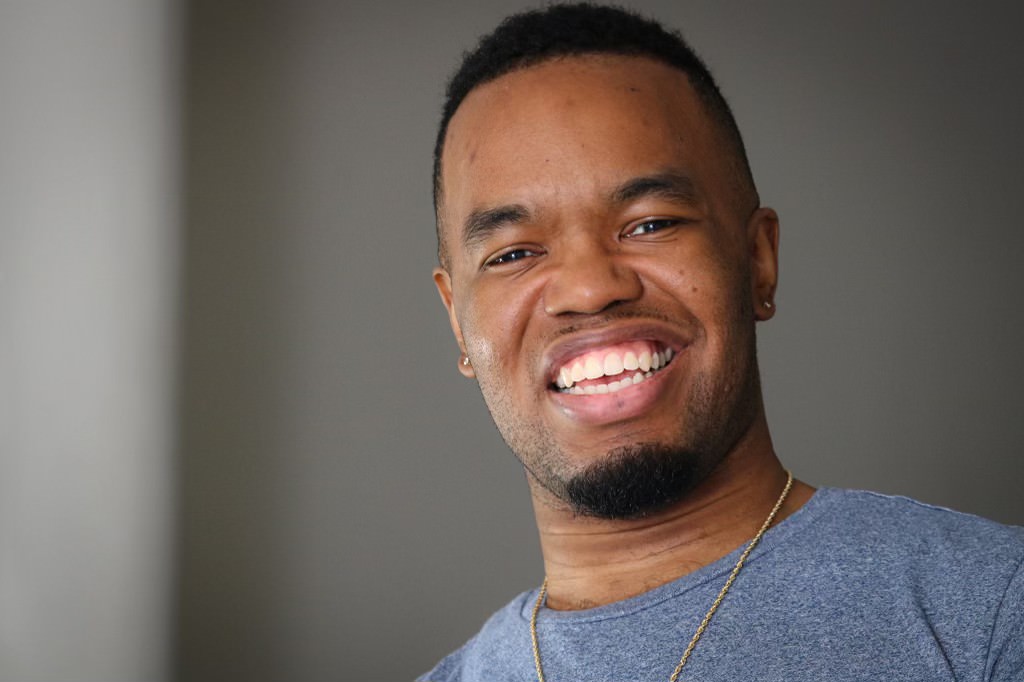
My first experience on set wasn't glamorous. I was working as a background actor, filling out stacks of paperwork. Weeks later, a paper check showed up in the mail. That was the moment it clicked. This industry was still running on manual everything.
As I moved into producing, the problem got worse. There was no system for the business side of production. I was stitching tools together, adding friction instead of cutting it. Eventually it became obvious this wasn't just my problem. It was the same problem, on every project, at every budget level.

I ran into the same wall producing my first film in India. No systems in place, no clear way to track the budget, manage daily spend, or keep the team on the same page. Everything was reactive. Everything was scattered.
Coming from a technical background, I knew the problem was solvable. And I kept seeing aspiring filmmakers ask the same question: how do you actually get something made? The gap between having an idea and executing on it is what brought me here.
Why we built Greenlit
We didn't build Greenlit to add another tool to the pile. We built it because the same problem kept showing up on every project, team, and budget. There was no reliable way to run the operational side of a film or TV production.
Projects weren't stalling because of weak ideas. They were stalling because the process behind them was impossible to manage. We came from both entertainment and technology. We know what it looks like when good work gets trapped in fragmented systems, and we know how to build software around real workflows instead of asking people to bend around a generic tool.
What we're building
One place for the structure, tools, and visibility that have always been scattered. Built around how entertainment production actually works.
Submissions
Scripts, decks, and materials come in through email, referrals, and meetings. One place to receive, track, and organize all of it.
Financial clarity
Budgets, rights, recoupment, and waterfall context live with the project. Not in a spreadsheet three versions out of date.
Project tracking
Know what's active, what's stalled, and what needs a decision. No more status living in someone's inbox or memory.
Market intelligence
Match projects to the right buyers and collaborators based on actual mandates. Not cold calls and guesswork.
What we believe
Great ideas stall because of broken process, not missing talent.
Submissions shouldn't require three interns and a spreadsheet.
Every team, whether it's two people or twenty, deserves the same level of operational structure.
The business side of storytelling should be as modern as the creative side.
Our mission
Help entertainment teams get the right projects made by removing the operational friction around development, packaging, rights, and financial transparency.